
Customized wardrobes are often the most expensive and easiest part of home renovation to be scammed in. Many homeowners are initially attracted by low quotes, only to find the cabinets warped, doors peeling, hardware jamming, and various hidden extra charges exceeding their budget after installation. Actually, you don’t need to chase big brands or waste money when choosing wardrobes and cabinets.
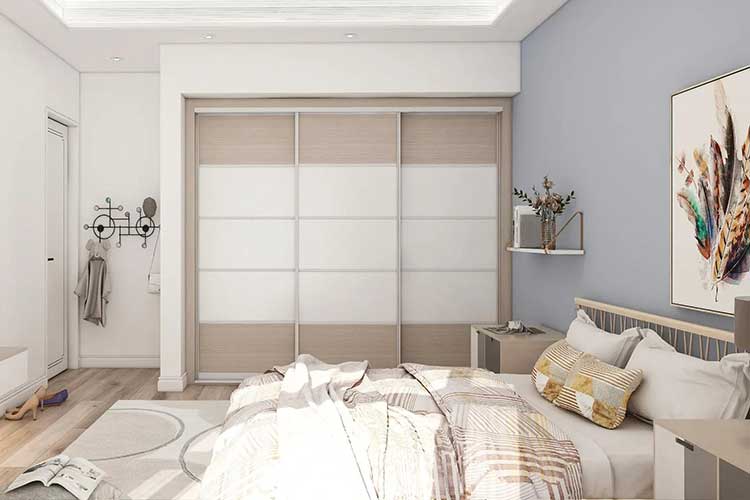
First, don’t blindly follow trends in materials. Focus on two main standards: environmental friendliness and practicality. Many vendors use fancy material terms that can be confusing for beginners. For ordinary home renovations, don’t get bogged down in complicated styles. Remember these three practical guidelines:
Prioritize materials with a certified environmental rating. Common home improvement standards are sufficient. Ask to see the test report before ordering for peace of mind.
For wardrobes and cabinets, choose standard 18mm thick boards for better stability and less prone to warping and loosening.
Don’t skimp on back panels. Choose thicker back panels for a tighter fit against the wall and less swaying due to moisture.
Friendly reminder: There is no absolutely best material. As long as the parameters meet standards, the manufacturing process is compliant, and it suits your home environment, it’s the right choice.
Secondly, avoid design pitfalls when choosing dimensions. Many trendy but impractical cabinets are difficult to use and prone to breakage due to unreasonable dimensions and design. Here are four universally applicable and practical dimensions to follow:
Standard Wardrobe Depth: 55-60 cm. This ensures coats won’t get stuck or rub against the doors.
Kitchen Cabinet Height: 80-85 cm. This allows for easy washing and chopping vegetables without bending over, accommodating most adults.
Wall Cabinet Depth: Around 35 cm. This avoids feeling cramped or oppressive to the head.
For cabinets with doors exceeding 2.2 meters in height, it’s recommended to install door straighteners to effectively reduce door deformation.
Smart Design Concept: Focus on practical design, not flashy but impractical styling. This ensures durability and easy maintenance.
Hardware Selection: The choice of hardware significantly impacts the long-term user experience. While the material determines the aesthetics, the hardware affects long-term durability. When purchasing custom cabinets, pay close attention to these four hardware details:
Choose cabinet door hinges with soft-close mechanisms for quiet opening and closing, preventing impacts to the cabinet body.
Further details to consider when purchasing custom cabinets: Choose thickened, cushioned drawer slides for smooth, non-jamming, and wobbly operation.
It’s recommended to add load-bearing supports under the kitchen sink and stove to reduce countertop sagging and cabinet deformation.
Inquire about the hardware warranty coverage beforehand and confirm the after-sales policy for repairs and replacements. Many low-priced packages rely on cutting hardware costs to lower the price, saving money upfront but leading to more frequent repairs and hassles later.
Fourth, avoid pitfalls in pricing and contracts, and eliminate hidden extra charges. The biggest pitfall in custom-made goods isn’t inferior materials, but vague pricing and numerous verbal promises. Before signing, be sure to check these four points and ensure they are all confirmed.
Ask whether the pricing method is based on projected area or unfolded area, and what items are included.
Confirm whether cabinet doors, drawers, handles, and basic hardware are all included to avoid additional charges.
Clarify whether delivery fees, drilling fees, and special cutting fees are included.
All material thicknesses, edge banding processes, hardware models, and warranty periods should be clearly stated in the contract. Verbal promises are meaningless; only a written agreement is reliable. Agree on additional charges in advance to avoid last-minute price increases after completion.
Conclusion
For materials, choose environmentally friendly thickness; compliant parameters ensure durability. Ensure dimensions fit daily use; a well-designed layout reduces the risk of problems. For hardware, choose thickened, cushioned materials for guaranteed after-sales warranty. Make sure all contract details are clearly stated to avoid hidden additional charges.