
Custom-made kitchen cabinets may seem simple, but there are many intricacies involved. If you lack renovation knowledge, you’re easily tricked by vendors, faced with additional charges, and substandard materials. For ordinary people, renovations simply require sturdiness, durability, environmental friendliness (no odor), transparent pricing, and easy maintenance.
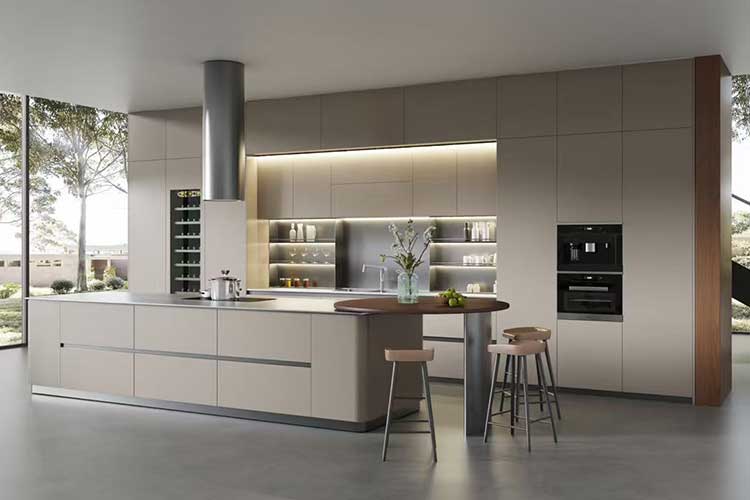
I. Plan the Layout First, Don’t Wait Until After Renovation
The cabinet layout should be decided when the plumbing and electrical work begins.
Plan the placement of the stove, sink, refrigerator, microwave, and oven in advance.
The locations of electrical outlets, water pipes, and gas lines must align with the cabinet layout; otherwise, mismatched dimensions will lead to irreversible changes and numerous regrets.
II. Choosing the Right Board Material is Crucial
Currently, the mainstream types for custom kitchen cabinets are:
OSB (Oriented Strand Board): High stability, not easily deformed, strong moisture resistance, low formaldehyde content, most practical for cabinet construction, highest cost-effectiveness, and the first choice for home use.
Multi-layer Solid Wood Board: Also moisture-resistant, but prone to peeling when damp; not as stable as OSB.
Particleboard: A favorite among vendors, cheap but prone to swelling due to moisture, and its environmental friendliness varies greatly. Not recommended for the humid environment of a kitchen.
Solid wood: Attractive but expensive, prone to cracking and warping, and requires complicated maintenance. Not necessary for most families.
Remember: Prioritize OSB for cabinet bodies. Choose any style for cabinet doors, but ensure they meet national standards for E0 or ENF environmental protection. Don’t be swayed by vendor claims; check testing reports.
III. How to Choose Cabinet Door Styles: Easy to Clean and Stylish
To avoid difficult maintenance later: Choose minimalist flat doors with no handles or concealed handles. They don’t trap oil stains and are easy to wipe clean.
Avoid complex carvings and embossed designs. They may look nice, but are impossible to clean once oil and grease accumulate.
Choose light gray, warm white, or matte colors. They are stain-resistant and timeless. Glossy surfaces easily show fingerprints.
IV. Countertop Selection: Don’t Be Misled
There are basically two types of kitchen countertops:
Quartz Stone: The mainstream choice for home use. High hardness, oil-resistant, stain-resistant, easy to clean, and offers the best value for money.
Sintered Stone: High-end, good texture, but brittle, prone to chipping, expensive to process, and difficult to repair.
Avoid Inferior Artificial Stone: It easily seeps soy sauce, cracks, and molds.
A sink must be an undermount sink for thorough cleaning and no hard-to-reach areas. Above-mount sinks are prone to blackening and mold growth in the grout lines.
V. Hardware: Don’t Skimp on These Small Costs
The durability of kitchen cabinets depends half on the hardware:
Hinges, drawer slides, and pull-out baskets must be from reputable brands and rust-resistant.
In the humid kitchen, inferior hardware will rust within a year, cabinet doors will sag, and drawers will become difficult to pull out.
Standard configurations from retailers are usually basic. Upgrading for a little extra money can last for over ten years.
VI. Height and Dimensions: Choose According to Your Own Height
Don’t blindly follow the designer’s standard:
A slightly lower stovetop prevents arm strain when cooking;
A slightly higher sink top prevents back strain when washing vegetables.
Customize according to the height of the person who cooks most often for maximum comfort.
VII. Preventing Hidden Costs:
The most common pitfall in custom cabinetry is hidden costs:
Exposed panels, edge banding, straighteners, number of drawers, pull-out baskets, undermount sink fabrication, and extra-long countertop splicing. Many vendors quote low unit prices but add extra charges later.
Write everything down in the contract before signing: what’s included, what’s not, unit price, and any additional fees. A written agreement avoids disputes later.
VIII. Installation and After-Sales Service
Supervise installation on-site:
Check the edge banding for tightness, the evenness of cabinet door gaps, the absence of cracks in the countertop, and the evenness and mold-free application of sealant.
Choose a local company with a factory and physical store. This way, they can provide on-site repairs anytime if cracks, doors fall off, or hardware breaks. Avoid small roadside shops; you might not be able to find them after installation.
For custom-made kitchen cabinets, plan the layout first, then modify the plumbing and electrical systems. Choose OSB boards for the main panels and quartz countertops. Don’t skimp on hardware; ensure the dimensions are perfect. Clearly specify any additional items in the contract. Find a reliable vendor to oversee the installation. This will ensure environmentally friendly and durable cabinets, avoid unnecessary expenses, and last for over a decade without needing renovations.